
Discover how to prepare your website for AI-powered search results. Download WebStoreSEO’s free AI Search Readiness Checklist to improve visibility, authority, and indexing in Google AI, ChatGPT, and Perplexity.
Google is testing AI-generated summaries that replace traditional meta descriptions. Learn how this change impacts click-through rates, brand control, and SEO visibility, and discover key strategies to keep your site ranking in AI-driven search results.
Adapting Your SEO Strategy for AI-Driven Discovery

Pillar-based marketing (PBM) is a strategic approach in content marketing and SEO that focuses on creating comprehensive, authoritative content around key topics (pillars) and then supporting these pillars with related, smaller pieces of content (cluster content). This method enhances search engine visibility, establishes expertise, and drives organic traffic by addressing a topic comprehensively. Here’s how it works in relation to content marketing and SEO: Key Components of Pillar-Based Marketing Pillar Content (Main Topic) A detailed, long-form piece of content that serves as the cornerstone for a specific topic. Examples include guides, eBooks, or in-depth blogs. Designed to target high-level keywords with substantial search volume. Often serves as a hub for internal linking. Cluster Content (Supporting Content) Shorter pieces of content, like blog posts or articles, that delve into subtopics related to the pillar content. Targets long-tail keywords or niche aspects of the main topic. Links back to the pillar content, creating a network of interconnected pages. Interlinking Structure Pillar-based marketing relies heavily on internal links between the pillar content and its supporting cluster content. This structure signals to search engines that the pillar content is an authoritative resource. How It Relates to Content Marketing Unified Topic Strategy : PBM ensures that all content pieces are aligned with a core topic, making campaigns more cohesive and easier to scale. Audience Engagement : By addressing a topic from multiple angles, you cater to different stages of the customer journey, improving engagement and lead nurturing. Repurposing : Pillar content can serve as a foundation for various marketing assets like social media posts, infographics, or videos. How It Relates to SEO Improved Keyword Coverage Target a broad spectrum of keywords, from high-level (pillar) to specific long-tail (clusters), boosting overall search visibility. Authority Building Demonstrates expertise in a subject area, increasing the likelihood of ranking higher in search engine results. Enhanced User Experience The interconnected structure makes it easy for users to find relevant information, reducing bounce rates and increasing session duration. Content Hubs Search engines favor content hubs as they show comprehensive coverage of a subject, signaling relevancy and authority. Example If your pillar topic is "Outdoor Furniture for Small Spaces" , you could create: Pillar Content : “The Ultimate Guide to Choosing Outdoor Furniture for Small Spaces.” Cluster Content : “Top 10 Compact Patio Sets for Balconies.” “How to Measure Your Outdoor Space for Furniture.” “Best Materials for Small-Space Outdoor Furniture.” “Space-Saving Outdoor Furniture Trends in 2024.” Each cluster content links back to the pillar guide, forming a web of related content. Why It Matters Pillar-based marketing aligns content marketing and SEO efforts, creating a powerful strategy that enhances discoverability, engages audiences, and ultimately drives conversions. It’s especially effective in competitive niches where demonstrating expertise and depth is crucial for standing out.

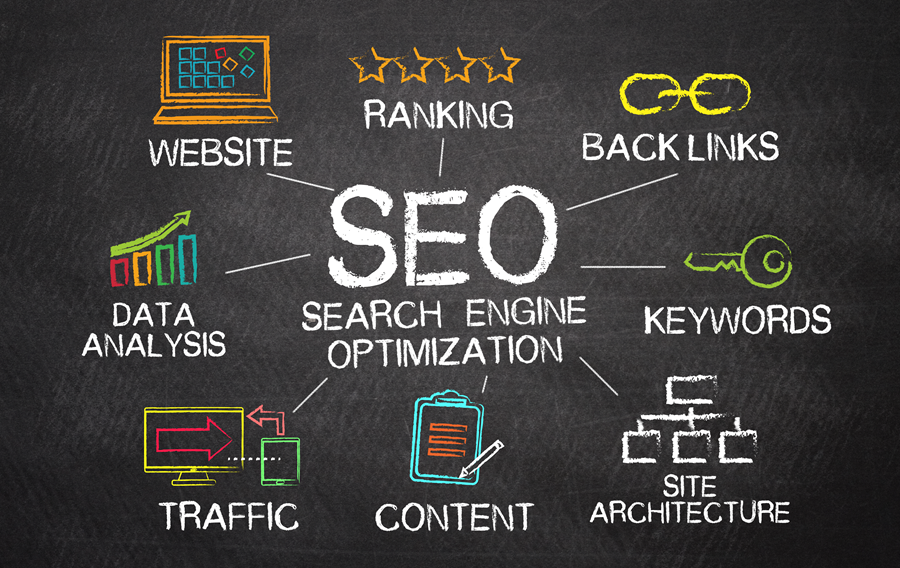
In the competitive world of eCommerce, standing out is crucial to success. That’s where eCommerce SEO (Search Engine Optimization) comes in. Simply put, SEO is the art and science of making your online store more visible to search engines like Google, increasing the likelihood of driving organic traffic, improving conversions, and boosting sales. This ultimate guide covers everything you need to know about eCommerce SEO, from the basics to advanced strategies. If you're an online store owner already familiar with SEO, you're in the right place—this guide is designed to deepen your understanding of what works, what's worth your time, and how to stay ahead in a rapidly changing market. Along the way, we’ll link to more detailed posts that dive into specific tactics to help you implement these strategies. What is eCommerce SEO and Why Does It Matter for Your Online Store? eCommerce SEO is the process of optimizing an online store to increase its visibility in search engine results, particularly for relevant search terms related to your products. Why does it matter? Simple—without proper SEO, your store may get lost in the vast sea of online competition. The better your SEO, the higher your rankings, and the more traffic you’ll attract to your site. Read more about the basics of eCommerce SEO and why it matters in our dedicated post on the topic . How to Choose the Best Keywords for Your eCommerce Site Choosing the right keywords is one of the most critical steps in SEO. You want to rank for terms your potential customers are searching for, but you also need to strike a balance between search volume and competition. Our guide to keyword research helps you understand the process of identifying and using the best keywords for your online store. From long-tail keywords to high-converting phrases, mastering this area will set the foundation for your eCommerce SEO strategy. Read more on selecting the best keywords . On-Page SEO Tips for eCommerce Websites Once you have your keywords, it’s time to apply them to your site. On-page SEO is the process of optimizing individual pages on your site to rank higher and earn more relevant traffic. This includes optimizing your product pages, using header tags, writing compelling meta descriptions, and creating SEO-friendly URLs. On-page SEO for eCommerce also means focusing on internal linking and ensuring that your content is structured for both search engines and your customers. We dive deeper into on-page SEO best practices in a detailed post here . How to Optimize Your eCommerce Site’s Technical SEO for Better Rankings Technical SEO is the backbone of your site’s performance. From fast loading times to mobile optimization, search engines reward sites that are technically sound. Technical SEO involves improving the backend of your store, like fixing broken links, ensuring your site’s speed is up to par, implementing HTTPS, and optimizing for mobile users. A technically optimized site makes it easier for both users and search engines to navigate, leading to higher rankings and improved user experience. For more information, explore our comprehensive guide to technical SEO for eCommerce here . The Importance of Content Marketing for eCommerce SEO When it comes to SEO, content is still king. High-quality content builds trust, informs customers, and provides valuable information that search engines love. Content marketing for eCommerce stores includes blogging, creating guides, product descriptions, and FAQs that are optimized for SEO. Consistent, informative content not only boosts your rankings but also positions your brand as an authority in your niche. If you want to learn how content marketing impacts SEO, check out our full guide on content marketing for eCommerce SEO here . How to Build Quality Backlinks for Your eCommerce Store Backlinks are one of the most important ranking factors in SEO. When reputable sites link to your store, it tells search engines that your site is trustworthy and valuable. Building quality backlinks is a strategic process that involves outreach, guest posting, and getting your products and content featured in authoritative publications. It’s not just about quantity; the quality of backlinks matters most. Learn more about building backlinks for your eCommerce store in our post here . Improving User Experience (UX) for eCommerce SEO User experience (UX) is closely tied to SEO. When visitors have a seamless and enjoyable experience on your site, they're more likely to convert—and search engines take notice of this. Improving UX for SEO involves optimizing your site’s navigation, minimizing distractions, enhancing product page design, and making the purchasing process simple and smooth. Dive deeper into improving UX for better eCommerce SEO here . How to Improve Your eCommerce Site’s Mobile SEO With more and more customers shopping on mobile devices, mobile SEO has become a crucial factor for success. Google uses mobile-first indexing, meaning your mobile site version is what gets ranked. To ensure your store is optimized for mobile users, focus on things like responsive design, fast load times, and mobile-friendly navigation. Read more about optimizing for mobile SEO in our dedicated post here . The Role of Local SEO in eCommerce and How to Leverage It For stores that have a physical presence or serve local customers, local SEO is essential. It involves optimizing your site to show up in local search results and map listings, increasing visibility among nearby customers. Local SEO includes tactics like claiming your Google My Business listing, getting local backlinks, and creating localized content. Learn more about leveraging local SEO for eCommerce here . SEO for Product Pages: Best Practices for Maximum Visibility Your product pages are the most important part of your eCommerce site, and they need to be optimized for search engines to help them rank higher. Optimizing product pages involves using relevant keywords, writing unique product descriptions, using high-quality images, and providing clear calls to action. Well-optimized product pages can help you rank for product-related keywords and drive more targeted traffic. For an in-depth guide, check out our post on SEO for product pages here . The Impact of Site Speed on eCommerce SEO and How to Fix It Site speed is a ranking factor, and it also affects user experience. Slow sites lead to higher bounce rates and lower conversions. Optimizing site speed involves reducing image sizes, leveraging caching, and ensuring your hosting solution is up to par. Read more about improving site speed for better SEO here . How to Use Structured Data (Schema Markup) for eCommerce SEO Structured data helps search engines understand the content on your site better, which can lead to richer search results (like product ratings and prices displayed directly on Google). Implementing schema markup on product pages is essential for enhancing visibility in search results. Learn how to use structured data to boost your SEO here . Why eCommerce Sites Need to Focus on SEO for Long-Term Growth Investing in SEO isn’t just about immediate results; it’s a long-term strategy that pays dividends over time. In this section, we explain why long-term SEO is essential for growing your eCommerce business and how it can help you maintain a steady flow of organic traffic. Read more on why long-term SEO should be a key focus for your eCommerce business here . Understanding the Relationship Between eCommerce SEO and Conversion Rate Optimization (CRO) SEO and conversion rate optimization (CRO) go hand-in-hand. While SEO brings in traffic, CRO focuses on turning that traffic into paying customers. Learn how optimizing your site for conversions can improve your overall SEO performance and how these two areas complement each other. Read more about SEO and CRO here . How to Create an SEO-Friendly eCommerce URL Structure Your URL structure plays an important role in SEO. Clean, descriptive URLs help search engines and customers understand what your pages are about. Best practices include keeping URLs short, using keywords, and avoiding unnecessary parameters. For more on creating SEO-friendly URLs, check out our detailed post here . The Importance of Secure HTTPS for eCommerce SEO Search engines prefer sites that are secure, and HTTPS is a ranking signal. Having an SSL certificate ensures your customers’ data is safe and improves your SEO. Learn more about how to implement HTTPS for SEO benefits here . How to Use Internal Linking to Boost eCommerce SEO Internal linking helps search engines crawl and index your site more efficiently. It also distributes link equity to important pages, improving their chances of ranking. Read more about how internal linking can boost your SEO here . The Role of Reviews and User-Generated Content in eCommerce SEO User reviews and other forms of user-generated content (UGC) like Q&A and social proof can improve SEO by providing fresh, keyword-rich content that search engines love. Learn how to leverage reviews and UGC for better SEO here . How to Leverage Social Media for eCommerce SEO While social media signals don’t directly affect rankings, they can drive traffic and engagement, both of which indirectly help with SEO. Read about how you can use social media to complement your eCommerce SEO strategy here . How to Monitor and Measure the Success of Your eCommerce SEO Strategy Tracking the success of your SEO efforts is essential for improving and adapting your strategy. Use tools like Google Analytics and Search Console to measure traffic, rankings, and conversions. Learn how to monitor your eCommerce SEO success here . Final Thoughts Implementing the right SEO strategies is crucial for your eCommerce store’s success. By focusing on both the technical and content aspects of SEO, and continuously optimizing your site, you can improve your rankings, increase traffic, and boost conversions. We’ve covered the key aspects of eCommerce SEO in this guide, but there’s always more to learn. Be sure to explore the linked articles for deeper insights into each topic and how to apply them to your online store. Need help getting started with SEO for your store? Reach out to us for a free SEO audit and personalized recommendations!

In the digital age, content is the lifeblood of effective online engagement. Whether it’s blog posts, product descriptions, email campaigns, or social media, the demand for high-quality, relevant, and timely content has never been greater. At WebStoreSEO, we’ve embraced AI-augmented content optimization and creation as part of our comprehensive suite of services, ensuring our clients stay ahead in the competitive e-commerce landscape. What is AI-Augmented Content Optimization & Creation? AI-augmented content optimization and creation refer to the use of artificial intelligence (AI) tools and techniques to streamline, enhance, and automate the content development process. At WebStoreSEO, we leverage cutting-edge technologies to: Generate Engaging Ideas: AI helps us uncover trending topics, headlines, and content formats that resonate with target audiences. Craft High-Quality Content: Our tools generate drafts for blog posts, product descriptions, email campaigns, and more, which we refine to match brand voices and objectives. Optimize for SEO: By analyzing keywords and aligning with search engine algorithms, we ensure all content is primed for visibility. Personalize Content: Tailored strategies allow us to create content that speaks directly to specific demographics and customer behaviors. Deliver Actionable Insights: AI-driven analytics help us monitor content performance and refine strategies for continuous improvement. Tools Driving Our AI-Powered Strategies WebStoreSEO integrates some of the most powerful tools available to deliver unmatched results: ChatGPT (OpenAI): For generating human-like, engaging text tailored to client needs. Grammarly: Ensures grammatical accuracy, clarity, and tone consistency. Jasper AI: Helps craft compelling marketing content, from ad copy to detailed blog posts. Surfer SEO: Merges content writing with advanced SEO optimization. MarketMuse: Aids in identifying content gaps and creating data-backed strategies. Frase.io: Optimizes content by analyzing search engine results and creating detailed outlines. Our Proven Strategies At WebStoreSEO, we’ve refined our approach to maximize the potential of AI in content development: Goal-Oriented Content Creation: Each piece of content is crafted with specific objectives, from boosting organic traffic to increasing conversions. AI and Human Synergy: While AI accelerates efficiency, our team ensures the final content aligns with brand identity and emotional resonance. Continuous Content Refresh: We use AI to update evergreen content and ensure it remains relevant and impactful. Data-Driven Decisions: Performance analytics guide our strategies, ensuring we consistently deliver measurable results. Ethical Standards: Transparency and quality are at the core of everything we create. WebStoreSEO’s Leadership in Emerging Technologies By integrating AI-augmented content strategies, WebStoreSEO sets the standard for innovation in e-commerce optimization. Here’s how we go beyond: Scalable Solutions: We manage large-scale content production for multiple clients without compromising quality or consistency. Enhanced SEO Performance: Tools like Surfer SEO and MarketMuse empower us to craft keyword-optimized content that drives rankings. Personalized Customer Journeys: Our AI tools enable dynamic product recommendations, personalized email campaigns, and tailored marketing strategies. Adaptability to Trends: We stay ahead by leveraging tools that evolve with the latest SEO and content marketing trends. Maximized ROI: By automating repetitive tasks, we allocate more resources to creative and strategic initiatives, delivering exceptional value. Innovating for the Future WebStoreSEO doesn’t stop at content optimization. We continually explore and implement emerging trends to ensure our clients achieve success: Voice Search Optimization: Preparing content for the growing popularity of voice-activated searches. Interactive Content: Leveraging AI to create quizzes, polls, and other formats that boost user engagement. Visual Content Generation: Using AI to produce videos, infographics, and dynamic product displays. Predictive Analytics: Anticipating customer needs and market trends to keep our strategies one step ahead. By incorporating AI-augmented content optimization and other advanced tools, WebStoreSEO ensures clients receive cutting-edge solutions that drive measurable results. AI doesn’t replace human creativity—it enhances it. Together, we’re shaping the future of e-commerce optimization.